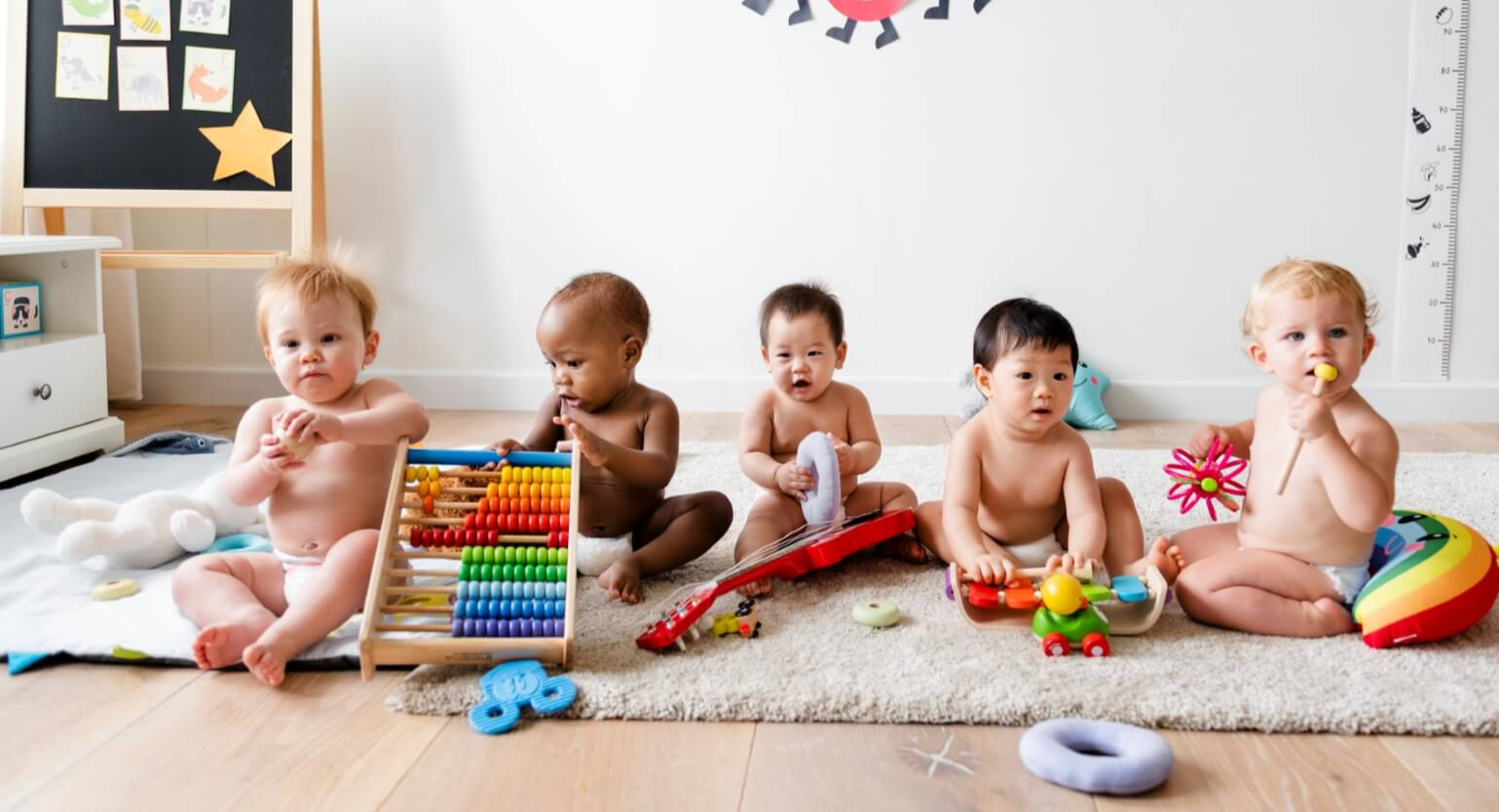
It is one of those questions that comes up in every parenting group, every toy shop aisle, and every family WhatsApp chat where someone is about to have a baby. Soft toys vs plastic toys: which one is actually better for your child? The honest answer is that it depends on the child's age, what kind of play you are encouraging, and what your priorities are as a parent. But that is not a satisfying answer on its own, so let us break it down properly. At Infantlee, we stock both and we help parents make this choice every day, which means we have a clear, practical perspective on when each type of toy genuinely serves a child better.
What are Soft Toys made of and What are Plastic Toys made of?
Before comparing the two, it helps to understand what each type actually consists of. Soft toys, also called stuffed toys or plush toys, have an outer shell made from fabric, most commonly polyester plush, cotton, or a blend of both. The inside is filled with polyester fibre, which gives them their softness and shape. Some softer toys for babies use hypoallergenic filling to reduce allergen risk.
Knowing what soft toys are made of matters because parents in Pakistan frequently ask whether polyester filling is safe for young children. The short answer is yes, provided the toy comes from a reputable source with secure stitching that keeps the filling enclosed. A poorly stitched soft toy where filling can escape through seams is a concern, particularly for babies who mouth everything they touch.
Plastic toys are made from various types of plastic depending on the product category. High-quality plastic toys use ABS plastic or polypropylene, both of which are hard, durable, and considered safe when they meet safety standards. Cheaper plastic toys may use lower-grade materials with pigments and plasticisers that are less strictly controlled. For parents shopping in Pakistan, checking for BPA-free labelling on any plastic toy that a young child might put in their mouth is an important step.
Soft Toys vs Plastic Toys for Toddlers: What the Research Actually Says
The comparison between soft toys vs plastic toys for toddlers becomes most interesting when you look at what each type does for a child's development at different stages. They serve genuinely different purposes and the best households for young children typically have a thoughtful mix of both rather than committing to one category exclusively.
What Soft Toys Do Well
Soft toys are particularly effective for emotional development. A plush companion gives a toddler or infant something to attach to, something that smells familiar, feels consistent, and is always available when the child needs comfort. Developmental psychologists refer to this as a transitional object, and research consistently shows that children with a comfort toy demonstrate better self-soothing abilities and lower separation anxiety. For Pakistani families where babies are often passed between multiple family members and experience regular transitions between home environments, a consistent soft toy companion is genuinely valuable.
Soft toys also shine in sensory play. The varied textures of a plush surface, the give of the filling under pressure, and the weight of a well-made stuffed animal all provide sensory input that plastic cannot replicate. Our soft toys collection includes options from small kawaii plushies to the Good Night Teddy Bear Plush available in two sizes and two colours, all made with soft fabrics that babies and toddlers respond to immediately.
What Plastic Toys Do Well
Plastic toys generally excel at teaching cause and effect, building physical skills, and introducing structured play. A plastic stacking toy teaches a child that order matters. A plastic vehicle with moving wheels introduces the concept of friction and momentum in a way a soft toy cannot. Plastic toys also tend to be easier to wipe clean, which is a practical consideration for Pakistani households with limited time for hand-washing plush toys between uses.
Pretend play sets made from plastic, like kitchen sets and tool kits, give children a structured world to engage with that goes beyond what fabric alone can offer. Our Kitchen Sets collection and Girls Toys range are full of plastic pretend play options that consistently rank as some of the most-played-with toys in any household with young children.
Safety Comparison: Which Type Is Safer for Young Children
Safety Considerations for Soft Toys
• Check seam integrity before giving any soft toy to a child under 3. Loose seams allow filling to escape, creating a choking risk.
• Look for embroidered features rather than glued or button eyes on toys for babies, since stuck-on parts can detach and become hazards.
• Wash soft toys regularly. In Pakistan's warm and humid climate, soft toys accumulate dust mites and bacteria more quickly than in cooler environments.
• Avoid very large, heavy soft toys in a baby's sleep space as they can pose a suffocation risk for infants under 12 months.
Safety Considerations for Plastic Toys
• Check for BPA-free labelling on any plastic toy that a child under 3 might put in their mouth.
• Avoid toys with sharp edges or easily detachable small parts for children under 3, since plastic components that break off become choking hazards.
• Check that paint or coatings on plastic toys are non-toxic. Cheaper imported plastic toys sometimes use pigments that are not child-safe.
• Plastic toys are generally easier to sanitise, which is a meaningful advantage in households with multiple young children sharing toys.
Soft Toys vs Plastic Toys in Pakistan: What Parents Here Actually Deal With
Most international comparisons between soft toys vs plastic toys in Pakistan miss the practical realities of Pakistani households. Here are the factors that actually matter for parents in this country:
• Humidity and weather: Pakistan's summer months and monsoon season make soft toy maintenance more demanding. Plush toys take longer to dry after washing and can develop a musty smell quickly in humid cities like Karachi. Plastic toys wipe clean in seconds. If you live in a high-humidity area, your plastic-to-soft ratio might reasonably lean toward plastic for practical reasons.
• Joint family settings: In joint family households where multiple children of different ages use the same toy space, plastic toys hold up better to heavier usage and are easier to sanitize between children. Soft toys that become very worn can start to look unsanitary and children notice this.
• Dust and air quality: In cities with high dust levels, soft toys accumulate allergens faster. Children with dust sensitivities or respiratory conditions may do better with more plastic toys in their primary play space and soft toys reserved for bedroom use only.
• Load shedding: Battery-operated plastic toys become unusable during power outages. Soft toys and non-electric plastic toys have no such limitation, which is worth considering when choosing between a musical plastic toy and a plush alternative.
Which Age Groups Benefit Most from Each Toy Type
0 to 12 Months: Soft Toys Lead
For newborns and young babies, soft toys are the better primary choice. The sensory richness of different fabric textures, the lightness of a small plush toy that a baby can handle without injury, and the comfort function of a consistent soft companion all suit this age group better than most plastic alternatives. Hard plastic toys are a risk for younger babies who have limited head control and can be injured by contact with rigid surfaces.
12 Months to 3 Years: A Mix Works Best
Toddlers benefit from both. A soft comfort toy remains important for emotional regulation during this often turbulent developmental stage, while plastic toys introduce the cause-and-effect play, stacking, sorting, and pretend play that this age group needs to build cognitive skills. This is also the age when children start to engage with other children in play, and plastic sets with multiple pieces like kitchen sets and tool kits facilitate that social play in a way that individual soft toys do not.
3 Years and Up: Plastic Becomes More Central
From age 3 onwards, children's play becomes more structured and goal-oriented. They want to build things, cook pretend meals, race cars, and follow rules of games. Plastic toys dominate at this stage because of the structural variety they offer. Soft toys do not disappear from the picture but they shift from primary play toys to comfort companions and collectibles.
The Honest Answer: You Do Not Have to Choose One
The soft toys vs plastic toys debate only becomes a real choice when parents are working with a very tight budget or a very small storage space. In most cases, a child benefits from having both in their life, with the ratio shifting as they grow. For Pakistani parents specifically, keeping a clean, well-chosen selection of both means a child has the sensory comfort of plush alongside the developmental engagement of plastic without missing out on either.
Start with a few high-quality soft toys for comfort and sensory play, and add plastic pretend play sets as the child grows into structured imaginative games. Explore our full soft toys range for the plush side of the equation, and our Girls Toys and Toy Zone collections for plastic and mixed play options that serve children across every age and interest at Infantlee.